

laminated double glazed windows
Understanding the 8% Butterfly Valve Function and Importance in Fluid Control Butterfly valves are essential components in various industrial applications, servicing a multitude of sectors, including water treatment, chemical processing, and HVAC systems. Among the various designs and specifications of butterfly valves, the term 8% butterfly valve often refers to a specific torque requirement or capacity in operational functionality. Understanding the intricacies of such valves can significantly enhance efficiency and reliability in fluid control systems. What is a Butterfly Valve? A butterfly valve is a quarter-turn valve that uses a rotating disc to control the flow of fluid. The disc is mounted on a shaft, and when the valve is turned 90 degrees, the disc either opens or closes the flow path. This mechanism allows for quick operation and makes butterfly valves an ideal choice in applications where space is limited and efficiency is crucial. The Significance of the 8% Capacity The term 8% butterfly valve pertains to a design specification that indicates the valve’s ability to handle certain flow rates or pressures effectively. This percentage often relates to the percentage of the maximum flow capacity that can be controlled or regulated by the valve without incurring excessive cavitation or loss of pressure. For instance, if a valve is rated for a maximum flow capacity and is optimized for 8% control performance, it means that it can manage flow rates that are 8% of its full capacity under specific conditions. The 8% butterfly valve is particularly useful in applications where precise control of large volumes is necessary. Industries that require regulation of fluids in variable conditions, such as power plants, food processing units, and oil and gas operations, benefit from such valves. The proportionate arrangement enhances performance while ensuring the system operates smoothly within established parameters. Key Benefits of 8% Butterfly Valves 8 butterfly valve 1. Efficient Flow Control One of the primary benefits of an 8% butterfly valve is its capability to control large volumes of fluid efficiently. The quick, quarter-turn operation reduces the time required to open or close the valve, simultaneously optimizing flow rates. 2. Compact Design Butterfly valves are known for their compact construction, making them easier to install and maintain compared to larger valve types. This compactness is a vast advantage in systems with limited space. 3. Durability and Reliability The design of the 8% butterfly valve ensures robust performance over time. These valves are built to withstand various pressure conditions, enhancing their reliability in critical operations. 4. Cost-Effectiveness Given their efficient operation and long lifespan, 8% butterfly valves can be a cost-effective solution for industries looking to minimize operational costs while maintaining high standards of fluid control. Applications of 8% Butterfly Valves The versatility of 8% butterfly valves allows their use across numerous sectors. In water treatment facilities, these valves regulate the flow of water and chemicals essential in purification processes. In the oil and gas industry, they manage the flow of hydrocarbons, ensuring safety and efficiency. Moreover, HVAC systems utilize butterfly valves to maintain air and water flow in heating and cooling systems. Conclusion In conclusion, the 8% butterfly valve plays a vital role in modern fluid control systems. Its design fosters efficient operation, durability, and cost-effectiveness, making it integral to many industrial processes. As industries continue to evolve and demand higher efficiency and reliability, understanding and implementing the appropriate specifications of valves like the 8% butterfly valve becomes increasingly essential. By leveraging such technology, businesses can enhance their operational standards while ensuring safe and effective fluid management.
about
laminated double glazed windows
The Magnetic V Block An Indispensable Tool in Precision Machining In the realm of precision machining and manufacturing, the importance of stability and accuracy can never be overstated. One tool that has gained increasing popularity in workshops and factories around the world is the magnetic V block. This tool combines the principles of magnetism and geometrical design to provide a reliable solution for holding workpieces securely during various machining operations. What is a Magnetic V Block? A magnetic V block is a specialized tool that features a 'V' shaped groove designed to cradle cylindrical objects, such as shafts and pipes. The unique design allows the workpiece to be held firmly in place, making it ideal for operations like grinding, milling, drilling, and inspection. The magnetic aspect of the V block is what truly sets it apart; strong magnets are embedded within the block, providing a powerful grip that ensures stability without the need for excessive clamping. Advantages of Using a Magnetic V Block 1. Enhanced Stability The most significant advantage of a magnetic V block is its ability to hold workpieces in a steady position. This stability is crucial when high precision is required, as even the slightest movement could lead to inaccuracies. 2. Versatility Magnetic V blocks can be used with a range of materials and shapes. Not only do they accommodate round objects, but they can also hold flat surfaces, making them suitable for a variety of applications in different industries. magnetic v block 3. Ease of Use Setting up a magnetic V block is quick and user-friendly. The strong magnetic force allows it to hold workpieces securely without complicated setups or the need for additional clamps. This ease of use can result in increased productivity, as machinists can focus more on the task at hand rather than on cumbersome setup procedures. 4. Durability Generally constructed from high-quality materials, magnetic V blocks are built to withstand the rigors of workshop environments. They are resistant to wear and tear, ensuring longevity and consistent performance over time. 5. Increased Safety Securely holding workpieces minimizes the risk of accidents that could occur if a part were to shift unexpectedly during machining. This added safety factor is beneficial for both the operator and the machine itself. Applications in Industry Magnetic V blocks are utilized across various industries, including automotive, aerospace, manufacturing, and metalworking. In automotive applications, for example, these blocks can assist in the precise grinding of engine components, while in aerospace, they may be used for inspecting critical parts that demand high accuracy. Furthermore, in general fabrication work, they serve as an invaluable tool for ensuring the precise alignment of workpieces. Conclusion In conclusion, the magnetic V block is an essential tool that enhances accuracy and efficiency in precision machining. Its unique design, combined with the powerful grip provided by magnets, offers a myriad of advantages that support a wide range of applications in multiple industries. As technology continues to advance and the demand for precision grows, the magnetic V block will undoubtedly remain an indispensable asset in the world of manufacturing. Investing in a high-quality magnetic V block can lead to improved processes, greater safety, and ultimately, superior final products. Whether you are an experienced machinist or a novice starting out, incorporating a magnetic V block into your toolkit can elevate your machining operations to a new level of precision.
-

High quality industrial productsagement

High quality industrial products
View Details -

Meet the diverse needs of customers

Meet the diverse needs of customers
View Details -

Strict quality control

Strict quality control
View Details -

Top raw materials

Top raw materials
View Details -

Trusted supplier

Trusted supplier
View Details
Our application


news and information

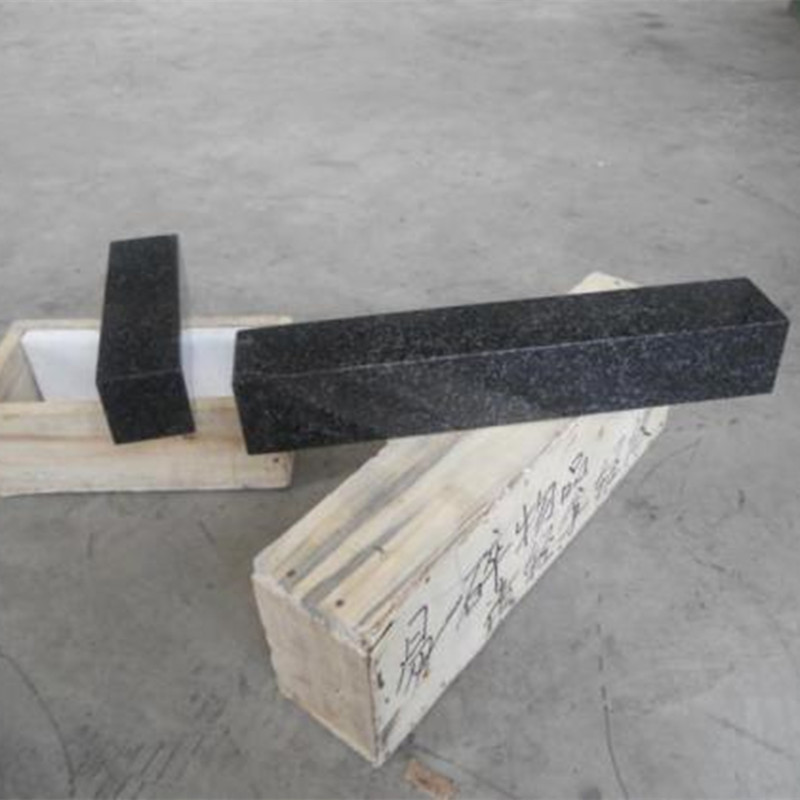
Using a Spirit Level for Accurate Measurements and Leveling Techniques
Understanding Spirit Level Measurements A Guide to Precision in Construction and Crafting In constru
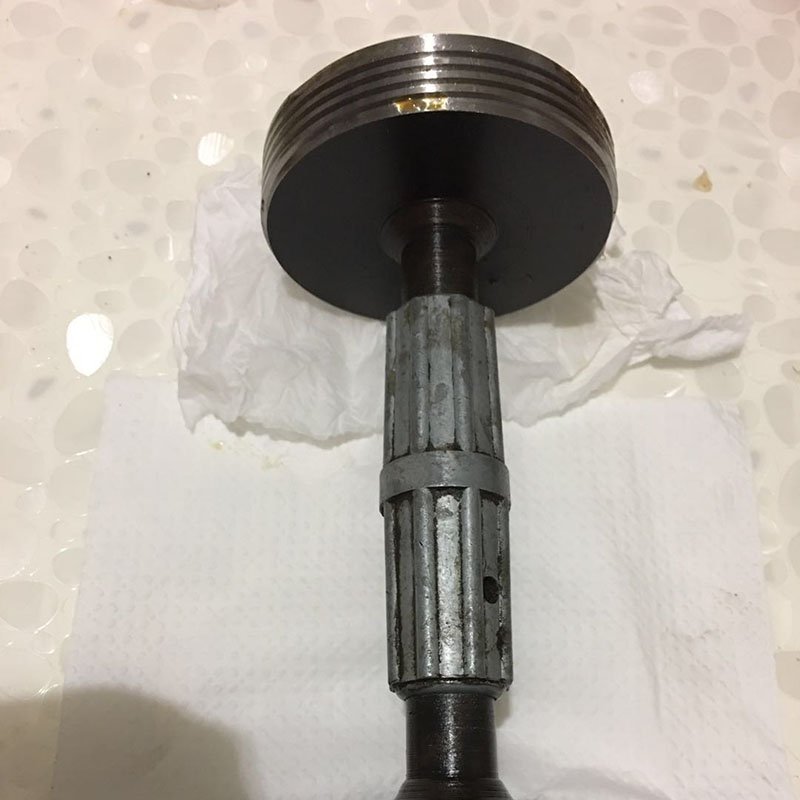
Valvola a sfera bilanciata per un controllo ottimale del flusso nei sistemi idraulici
Valvole a Globo Bilanciate Funzionamento e Vantaggi Le valvole a globo bilanciate rappresentano un e

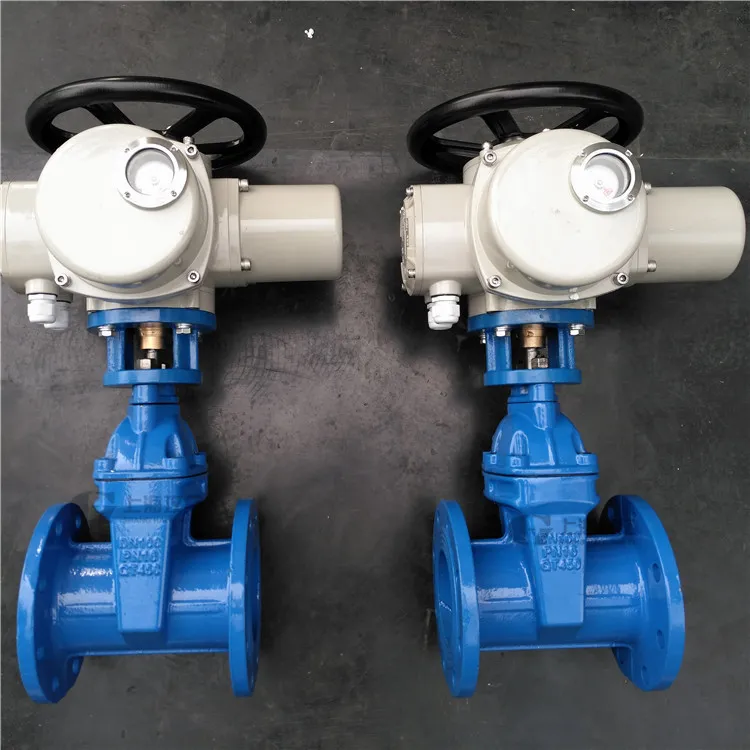
Wholesale Options for High-Quality Butterfly Valves at Competitive Prices
The Rise of Butterfly Valve Wholesale A Comprehensive Overview In the realm of industrial applicatio
 English